Long-horizon asset
Lapland Forest
A long-horizon experiment in physical carbon infrastructure and biodiversity preservation.
In September 2021, we acquired 60 hectares of forest land in Northern Lapland, Finland. We plan to hold this land long-term.
This is not a branding exercise and not a short-term investment. It's a foundational asset we expect to compound quietly over decades.
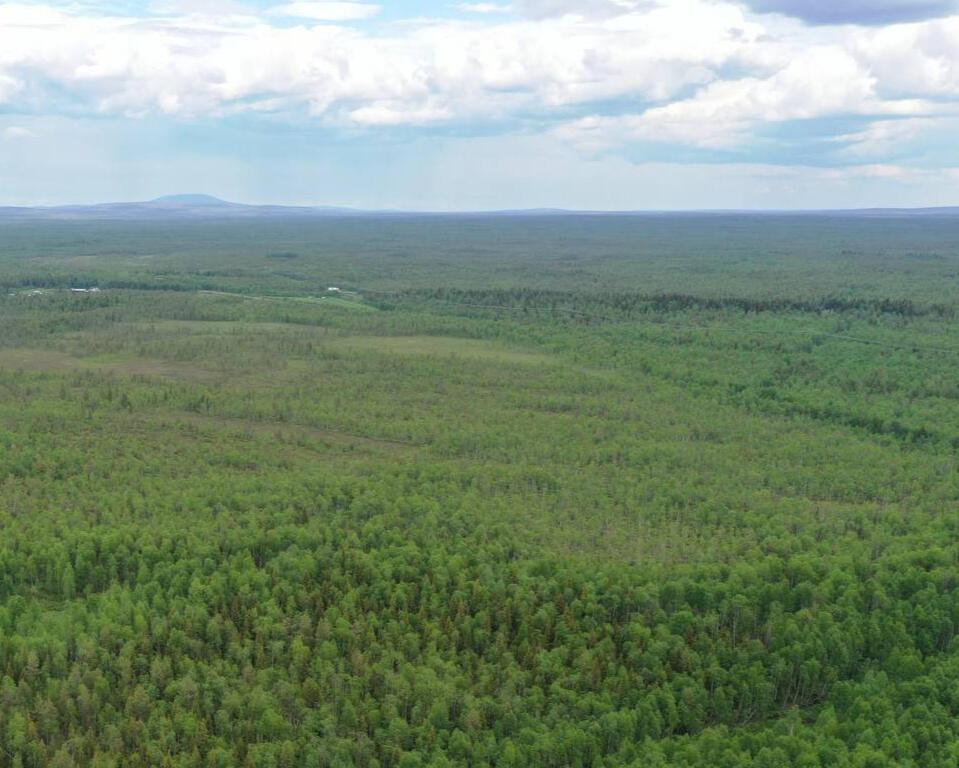
60 ha
Northern Lapland
Estimated CO₂ sequestered since acquisition
Not a certified offset program. We are not selling credits.
Land
60 ha
Rate
480 t/year
Acquired
Sep 19, 2021
480 t/year is equivalent to
68
EU citizens
annual footprint
104
cars driven
for one year
266
round-trip flights
London → NYC
48
EU homes
annual energy
Why a forest
We look at forests, agricultural land, and fresh water sources as financial assets. Not in the traditional sense of yield optimization, but as scarce, productive systems that increase in value as population grows and constraints tighten.
These assets compound quietly. They don't rely on user growth, marketing, or financial engineering. They benefit from long-term trends like population growth, resource scarcity, and climate pressure.
Historically, assets like this haven't been treated as a mainstream asset class for wealth building. Not because they lack value, but because they've been hard to price, hard to standardize, and even harder to benefit from in liquid markets. We think that will change.
Better measurement, clearer ownership models, and digital infrastructure will make it easier to understand, value, and eventually transact around real, productive assets like land and forests. When that happens, these assets stop being niche and start behaving like infrastructure.
Buying this land gave us skin in the game. It forced us to think seriously about how value is created, preserved, and measured outside traditional financial instruments.
This forest is not a finished product. It's a starting point.
Estimated carbon impact
Based on regional forestry models, the forest is estimated to sequester approximately 480 tonnes of CO₂ per year, assuming a steady growth rate.
Disclaimer: CO₂ figures are modeled estimates using a constant annual sequestration rate. This page does not represent certified offsets and Cyans is not selling carbon credits.